‘FEM’ creators offer a fresh take on the trans experience
A musical drama from Quebec took a risk by placing a trans teenager at the heart of a young adult series. Here, FEM’s director Marianne Farley and producer Patrick Bilodeau discuss telling this story in the current climate, and the challenges of reaching a young audience.

In 2024, FEM did something very few young adult series had dared. It placed a trans teenager’s emancipation at the centre of its story.
Television has certainly featured some noteworthy trans characters in recent years — especially in Euphoria — but few series have offered a role as central as Zav, a 16-year-old Franco-Ontarian musician who dreams of attending the Conservatory of Music while secretly exploring his female identity. Created in Quebec, the series is currently streaming on TV5+ (formerly Unis TV) and Netflix (season one at the moment).
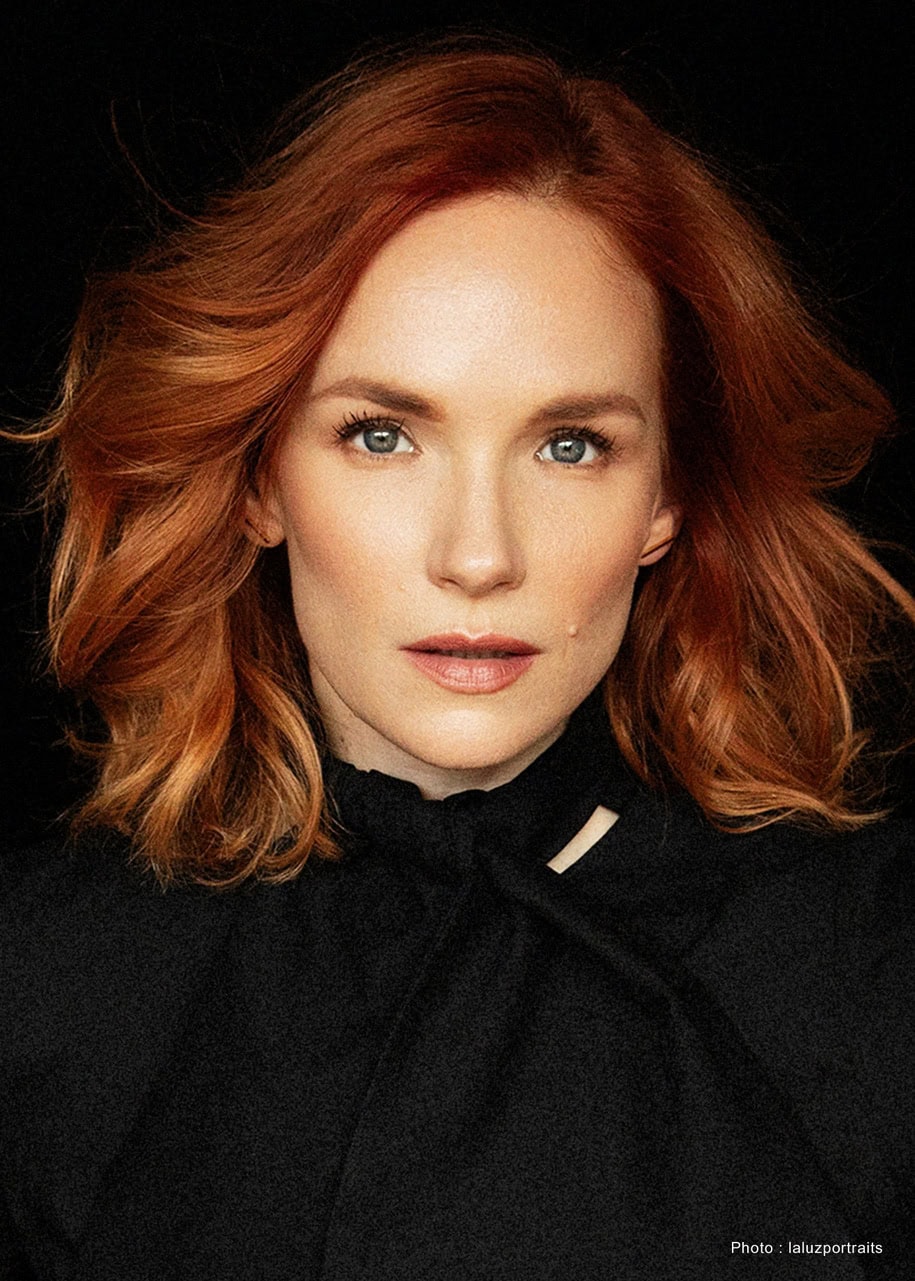
FEM director Marianne Farley says that since a significant percentage of the population is LGBTQ+ there should be no question about shows like FEM getting made. "We have a right to our own content too, to make projects that are for us."
While the subject matter was already daring in 2024, series producer Patrick Bilodeau says it’s even more so today, given the rising intolerance toward trans identity and the LGBTQ+ community. “It’s changed internationally in the past two years,” he says. “People are fearful, they know this will provoke a reaction, it will make people talk. They don’t really want to go there.”
None of this has discouraged Bilodeau or FEM's production company, UGO Média, even though Bilodeau admits focusing on more conventional projects would be easier. Instead, UGO Média went ahead with a second season of FEM, which can now be watched for free on TV5+.
The Rhythm of Trans Identity
In the show’s second season, which, like the first season, was created and co-written by Maxime Beauchamp, Zav (played by actor/singer/songwriter Lennikim) is now a young trans woman who has come out of the closet and is trying to find her place in the music industry. Zav has left the small Franco-Ontarian town of Lanark for the Montreal scene, and left her real friends for the big personalities who populate the city’s performing arts and nightlife.
Many viewers found the first season particularly moving, sending enthusiastic and often touching messages to FEM’s creative team.
“We really saw season two as chapter two. Now we’re in a different place. We’re out in the nightlife, at musical performances, in clubs, and exploring the expression of femininity,” Bilodeau says.
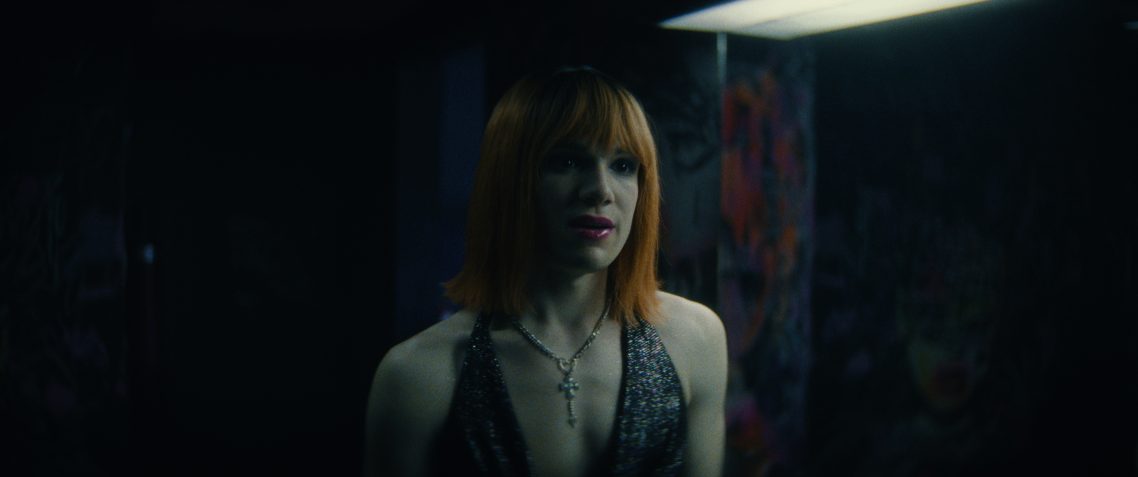
Over 10 episodes, Zav questions what kind of woman she is, and what being a woman represents for her, even if that means losing herself in her search for identity. The music, which accompanies her exploration of gender identity, becomes another character in this story.
“We wanted to go darker,” Farley says. “The music is very urban; it’s more techno. We used influences that were more hip-hop and trip-hop.”
Streaming on Netflix
After the release of FEM’s first season, Netflix reached out to UGO Média about acquiring the show. Finding an international streaming service was essential for the Quebec production studio since Canadians were the only ones who could access the show on TV5+.
“It definitely gives you a nice pat on the back, it gives credibility to the project,” Bilodeau says. “And you say, ‘Dang, that means something!’”
Netflix has the ability to make the series discoverable to young adults who often shun local platforms and content in favour of the American heavyweights. According to the Observatoire de la culture et des communications du Québec (OCCQ), in 2024, 64 percent of Quebecers aged 15 to 29 primarily watched content from outside of Quebec.
“Not only are they not on Quebecois platforms, but they don’t even know about them,” laments Bilodeau.
So how do you get young adults to be interested in series made here? For director Farley, one way is through the content you’re offering.
“You have to take risks,” Farley says. “I think you shouldn’t be paternalistic, shouldn’t try to teach them how to be adults. Young adult series should be about what interests young people and not what adults think would interest young people. I think that’s what makes FEM so strong, as well. We stay close to the characters, who experience real-life dramas.”
No Third Season
The second season of FEM will be its last. The creative trio, composed of creator and showrunner Beauchamp, director Farley, and producer Bilodeau, are not done working together, however. They’re working on a new series that’s currently in predevelopment.
“We’re eager to take on a new project,” says Bilodeau. “We’re maintaining a certain continuity, as this will also be a really unique series bursting with plot twists, but in a completely different universe.”
He describes the series as a fake reality-TV show in which couples compete to win a revolutionary fertility treatment that allows anyone to conceive a baby with their own DNA. Once again, the new project will proudly showcase the LGBTQ+ community, regardless of any pushback.