10 years of “Dead by Daylight”: a success story that refuses to die
The horror video game Dead by Daylight celebrates its 10th anniversary this month. Since its creation, the title has amassed more than 70 million players, and Behaviour Interactive, the Montreal studio that developed it, has seen its team grow from 300 to 1,260 employees.
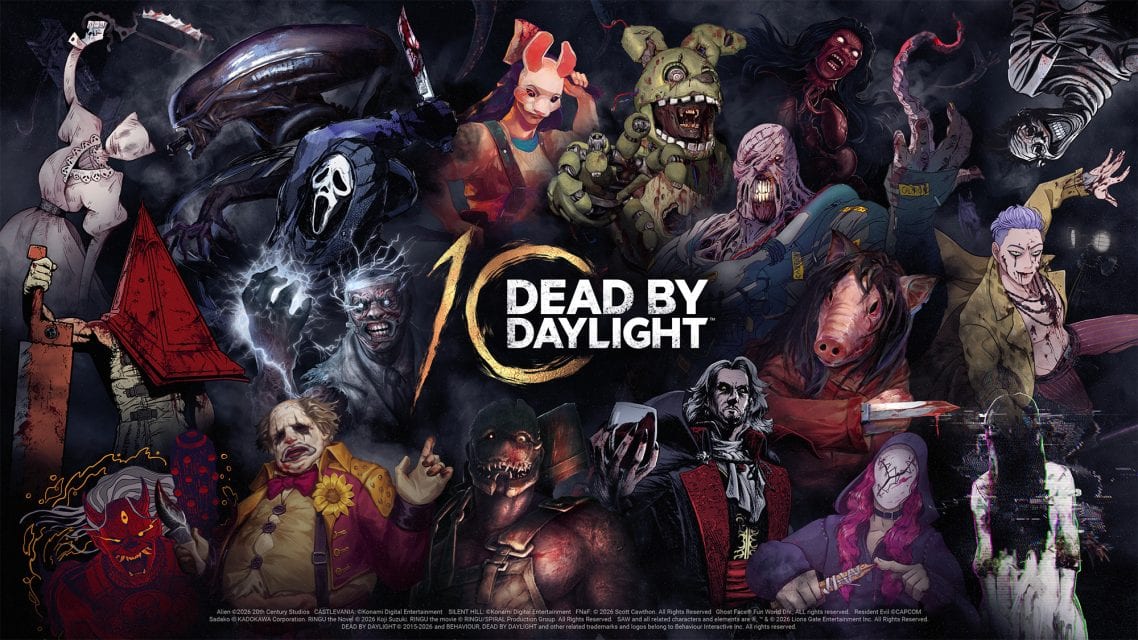
A little more than 10 years ago, the Canada Media Fund financed a video game called Dead by Daylight. At the time, Montreal developer Behaviour Interactive, creator of the asymmetrical horror game that pits one player, the killer, against four other participants, had no idea it would become a global success.
To explore the game’s history and achievements, Now & Next interviewed Behaviour Interactive’s CEO, Rémi Racine, and two of Dead by Daylight’s original developers, Dave Richard, creative director, and Mathieu Côté, director of partnerships.
Let’s go back in time. Tell us about the beginning of Dead by Daylight.
Mathieu Côté: Dead by Daylight started as a love letter to horror films from the ’70s and ’80s. We were a really small team, just about 35 people [working on this specific title]. To give you an idea, we now have nearly 400 people working on the game.
Rémi Racine: We presented the game at the Game Developers Conference (GDC) in March 2015, a little more than a year before its launch, after about six months of production. We were looking for a publisher, and we got more than a dozen offers. We chose Starbreeze, which was the smallest of the group, because, at the time, I wanted to develop our publishing services internally, and they were the only ones who would allow us to do it. When we released the game in June 2016 we didn’t have a big machine behind it.
How did the public respond back then?
Dave Richard: It was incredible. We were surprised. We knew we had something interesting on our hands, but not to that extent.
MC: There were indications it could really take off, though. Right before the release, at the PAX video game conference, our booth was next to Twitch’s, the streaming service. Content creators who walked by tried our game and we saw it was a perfect genre for them — an infinite source of thrills and jump scares. It quickly got a lot of buzz.
RR: We made good on our investment very fast. In two weeks we’d sold 400,000 copies, which allowed us to earn a small profit.
You didn’t expect Dead by Daylight to stick around for such a long time. How did the game become what it is today?
MC: It’s true. At the time, our goal was to release the game, maybe offer downloadable content the following fall, then move on to the next project. But when we saw the response we changed our plans. We kept the team, grew it, and started to build around the existing game.
RR: One part of the team was working to correct bugs, because the game had some, and another was already working on new content. Very quickly we understood we had to provide continuing support for the game.
DR: And now, Dead by Daylight is a franchise. Our universe is extremely interesting, and we want it to reach as many people as possible, beyond the game itself. For example, we released The Casting of Frank Stone, a game in a completely different genre, but within Dead by Daylight’s universe. There are graphic novels; we’re in the process of shooting a film. For the next 10 years and beyond, Dead by Daylight will keep growing and expanding beyond the original game.
Dead by Daylight is known for crossovers with other horror franchises, like Halloween, Alien and Evil Dead. Why did you choose these partnerships?
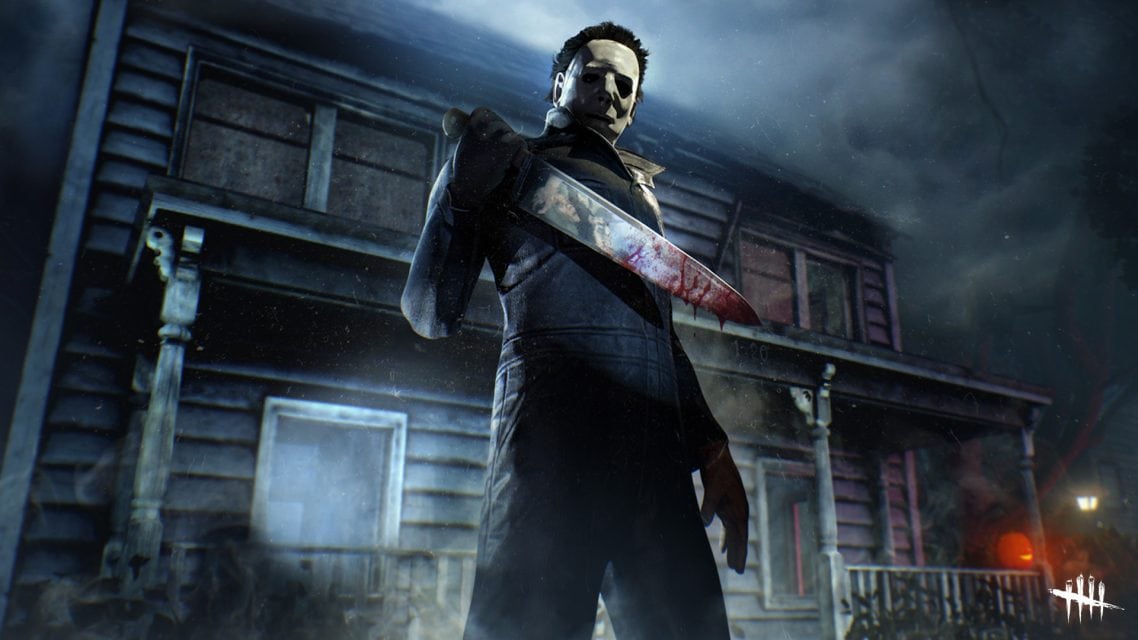
MC: It was pretty natural to want to include famous horror characters in a genre game, I would say. We were lucky; the first character we were able to get was Michael Myers, the villain in Halloween. It’s difficult to imagine someone more iconic. After that, conversations with other rights-holders were easier.
DR: Plus, we were used to working with partners because the DNA of the studio was to produce games for other brands. We simply applied that expertise to Dead by Daylight.
RR: Starbreeze, our partner at the time, was also familiar with this model, and so that helped structure our approach.
How did the success of Dead by Daylight change Behaviour Interactive?
RR: In the beginning, we were just developers who thought about making games. The success of Dead by Daylight allowed us to go further. Today, there are whole teams supporting our projects — analytic, player engagement, product management. All these teams bring information to the creators, who can then make more informed decisions. The creative side is still there, but when we have an idea, we have the means and the time to consider it more deeply.
DR: To the players’ benefit!
RR: Financially, it also gives us a certain independence. For the last seven or eight years, Dead by Daylight has allowed us to be more selective in the projects we do for others.
MC: What’s funny is that, in the beginning, it was more the work-for-hire piece of Behaviour that allowed us to have time to develop the Dead by Daylight game. Today, the game’s popularity offers us other possibilities, like helping other studios.
Obviously, the company has also grown a lot. When Dead by Daylight was released, the Behaviour Interactive team had around 300 to 350 employees. Today, we have 1,260.
What advice would you give to studios that are just getting started in the field?
MC: We gave a presentation at the Game Developers Conference recently, and a lot of the audience’s questions were about how to make a game as a service [a model of monetizing games via subscriptions, microtransactions, etc.]. But that’s not what we did. We made a game, then we continued to maintain it, adding content and developing a service around it. Elements like the store were added later, once the players were invested.
RR: You have to make a game that people will like. Then you can see if it can become a service. But the game, first and foremost, has to have a clientele that plays it regularly. That creates some retention.
MC: What’s also important is to listen to the players and learn along the way. It’s an exercise in humility, but the players can be a part of the team, in some ways.
Behaviour Interactive will host a celebration for fans at the Grand Quay of the Port of Montreal on June 14. Several announcements about the future of the franchise will be shared at the event.