Games made in Canada increasingly take place here too
Video games developed in Canada are played around the world. But while, in the past, titles created here tended to take place elsewhere, more and more they are showcasing local places and characters.
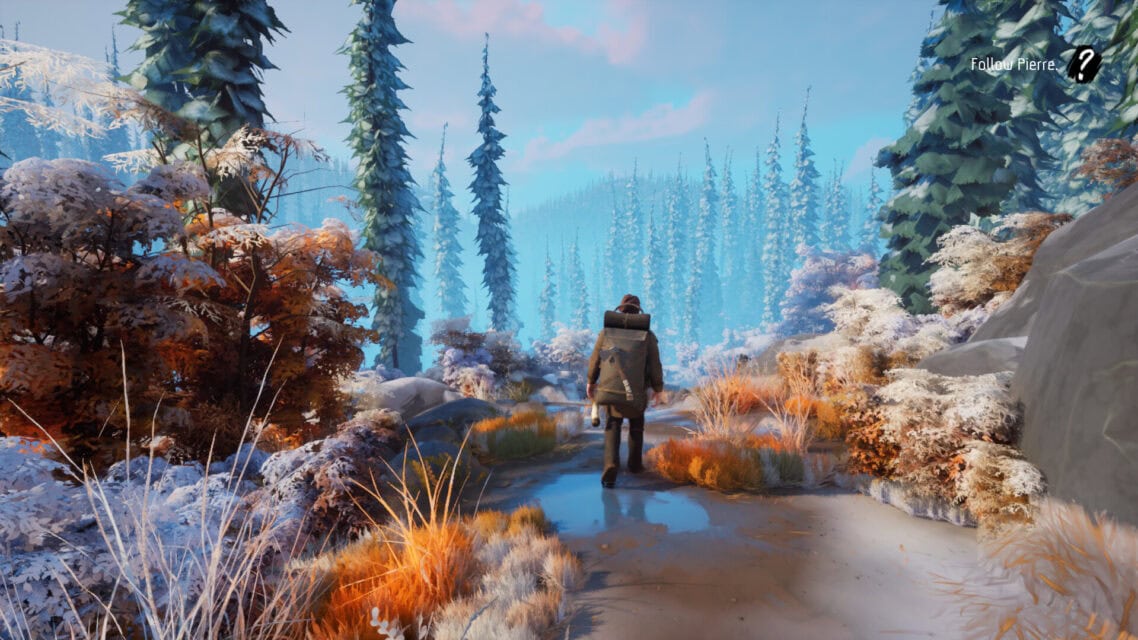
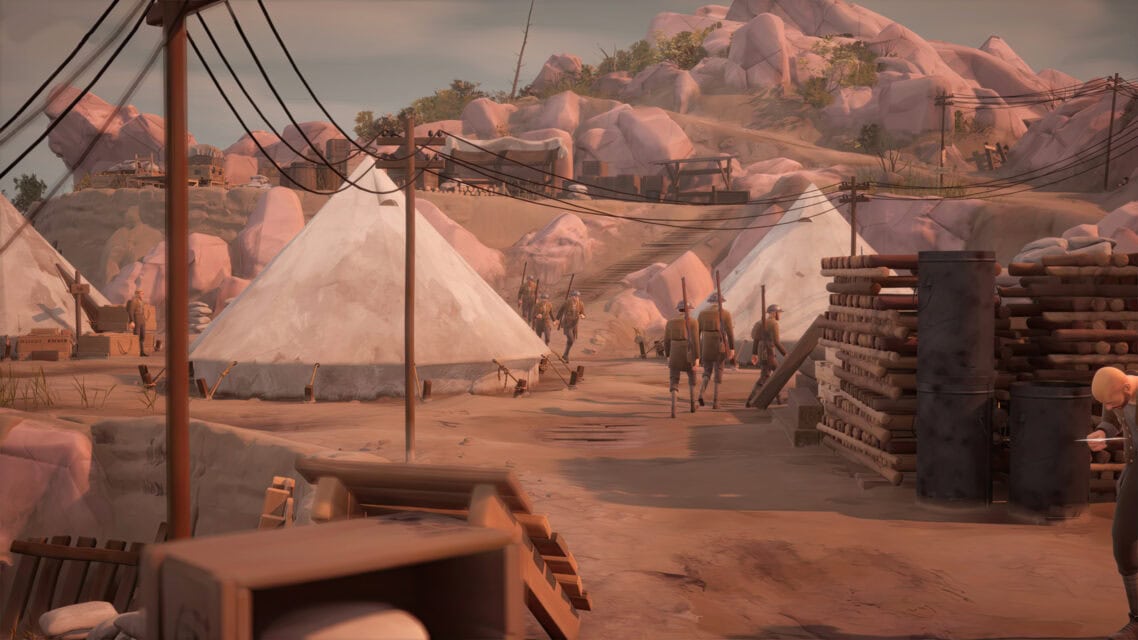
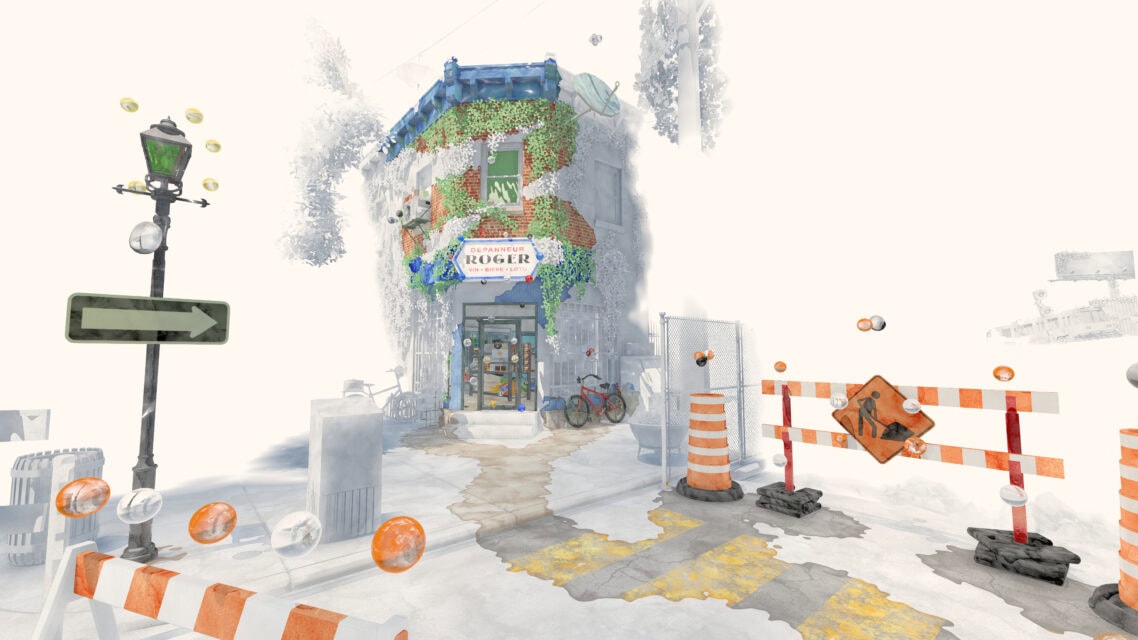
In the adventure video game Capy Castaway, developed by the Toronto studio Kitten Cup, a capybara and a crow explore a world inspired by Ontario’s capital. The Caribou Trail, from the Quebec studio Unreliable Narrators, showcases a group of friends from a Newfoundland regiment sent to fight at Gallipoli, in Turkey, during the First World War. Two Falls (Nishu Takuatshina), also from Unreliable Narrators, takes audiences to New France’s 17th-century territory through the perspective of an Innu hunter and a King’s Daughter (the group of young women sent to colonize New France by King Louis XIV). Été, from Impossible Studios, takes place in Montreal’s streets and alleys.
And the list goes on: Scott Pilgrim EX, Echo Generation, Shoresy: Legends of the North, Kona, Venba, The Long Dark, 1000xRESIST, Celeste... All of these recent video games shine a light on Canadian history and land. Some more than others.
“I would absolutely agree that it is a trend right now,” confirms Paul Fogolin, president and CEO of the Entertainment Software Association of Canada (ESAC). He says the phenomenon began during the pandemic, between 2020 and 2022, and has accelerated since.
A desire for representation (and to play something real)
The creators Now & Next spoke with say there are several reasons behind the enthusiasm for local stories.
For Lazlo Bonin, director of the video game Été, using Montreal as the principal setting was an obvious choice. Released in 2024, the game invites players to explore the city’s neighbourhoods and bring them to life by painting them with watercolours. “I wanted to represent my lived experience, what I knew. I grew up in Montreal, so I wanted to convey my love for these neighbourhoods and that city,” he explains.
Chris Chancey, co-founder of Unreliable Narrators, says he got the idea for The Caribou Trail when visiting The Rooms, a museum in St. John’s, Newfoundland, where he has family and often spent summers. “I thought the story of this regiment during the First World War would be interesting to tell. And if I don’t tell it, who will?”
“It’s important for games to reflect the reality and lived experiences of the people who create them. And that means anchoring them in real places, not some type of fictional, generic New York,” says Bonin.
The rise of independent games plays a significant role
Such representation was much rarer a decade ago. Video games like Deus Ex: Human Revolution (2011) and Mass Effect 3 (2012) were partly set in Canada, but they were the exceptions.
For Chancey, the rise of independent games helped make the freedom and diversity in today’s stories possible.
The entrepreneur says the rise of independent studios is relatively recent. “When I released my first game in 2014, I had the main banner ad on Steam for three days. We had made the game with three people,” he exclaims. Since then, those first independent studios have had time to gain experience, develop more games, and mature.
“We really pivoted from a service economy, where we made games for other people, to a producer economy. That means we are the masters of our destiny now. We can tell the stories we want to tell, how we want to tell them,” he says.
A financial risk?
But can setting a game in Canada damage its commercial success abroad? After all, according to the ESAC, 88 percent of revenue from the Canadian video game industry comes from exports.
“The studios were often told by investors not to set their stories here because they wouldn’t sell,” says Carl-Edwin Michel, creator and executive producer of the Canadian Game Awards.
Bonin’s experience with Été, however, shows that a local setting can also be a selling point. “It’s a little bit like the best of both words,” says the creator. Montrealers were delighted to recognize their city in the game, while foreign players appreciated discovering a world inspired by real places. The studio didn’t particularly focus on Montreal while promoting the game internationally.
Chancey agrees that a local story can appeal to foreign players. Approximately 90 percent of Two Falls (Nishu Takuatshina) sales came from abroad, despite telling a story directly connected to the Quebec wilderness.
Fogolin believes mindsets are changing. “So, I think there's been this perception that when you're selling mainly to a global audience, they want to see things that are more familiar to them. You know, cities like New York, Chicago or Tokyo. But I think we've entered an era where if you're going to set a game in Toronto, or Montreal, or somewhere else, I don't think it would be seen as a strategic risk from a business perspective,” he says.
Fogolin is waiting for the trend to reach large productions. He says the studios behind big-budget games are generally more hesitant to take risks, and their three-to-five-year (or longer) development cycles slow down the adoption of new trends. The success of independent games could, however, show them the way.
Michel would also like to see more games from here take place here. “For the time being, I don’t think that we have enough games that take place in the country to be able to have a totally separate category in the Canadian Game Awards,” he says of his event. However, he can see dedicating a portion of the ceremony to games that tell Canadian stories.
“We talk a lot about video games in a financial context. But they’re a cultural product in their own right,” says Bonin.
Books, music, films and television produced here use Canada as their setting most of the time. After decades of primarily creating adventures that take place elsewhere, Canadian video games are finally following in their footsteps.