‘Seventeen’ is a film about sex workers, not the job of sex work
Writer-director Justin Ducharme shines a spotlight on the friendships and love that bind queer, Indigenous sex workers in his debut feature.
Intimate. Eye-opening. Powerful.
Those are just a few words that describe writer/director Justin Ducharme’s debut feature, Seventeen.
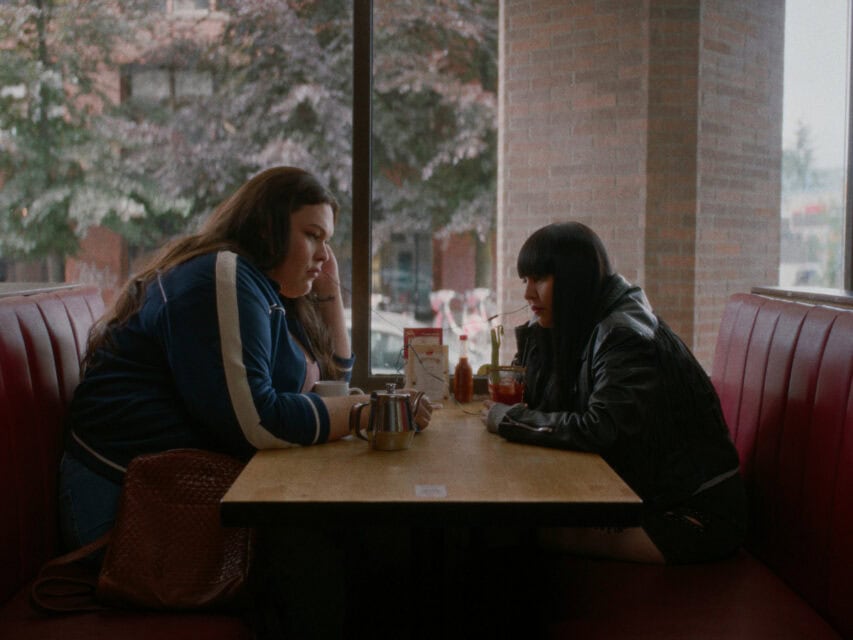
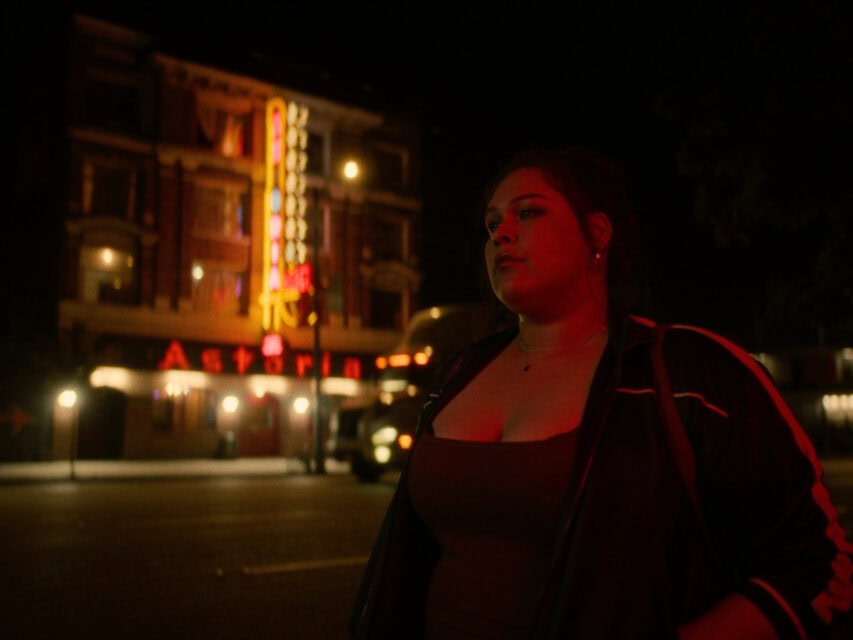
The film, which premiered at this year’s Toronto International Film Festival, focuses on three young, queer, Indigenous sex workers during a 17-hour period in downtown Vancouver where they rely on one another while facing a series of challenges.
December (Aalayna) avoids dealing with a family issue back home on her reserve, while Tamara (Nizhonniya Austin) faces deportation unless she can obtain a passport. And then there’s Aiden (Taio Gélinas), who desperately needs cash to pay the deposit on an apartment.
“I had really wanted to tell a story about queer, urban, Indigenous people, and specifically sex work,” explains Ducharme on the line from his Vancouver home.
“That's been a focus in my writing and my film work based on my lived experience and the communities that I surround myself with. And I wanted to do something that had nothing to do with the job, more about friendship and chosen family and how important those relationships can be for those people. I think those relationships have enabled me to create and, quite frankly, stay alive.”
Watching movies with his mom
Ducharme was born and raised in the Métis community of St. Ambroise on Treaty 1 Territory along the shores of Lake Manitoba. A graduate of Vancouver Film School, Ducharme started his career by self-funding his own short films. In 2022, he attended both the Sundance Institute’s Native Film Lab and TIFF’s Filmmaker Lab. His web series KIN debuted in 2023.
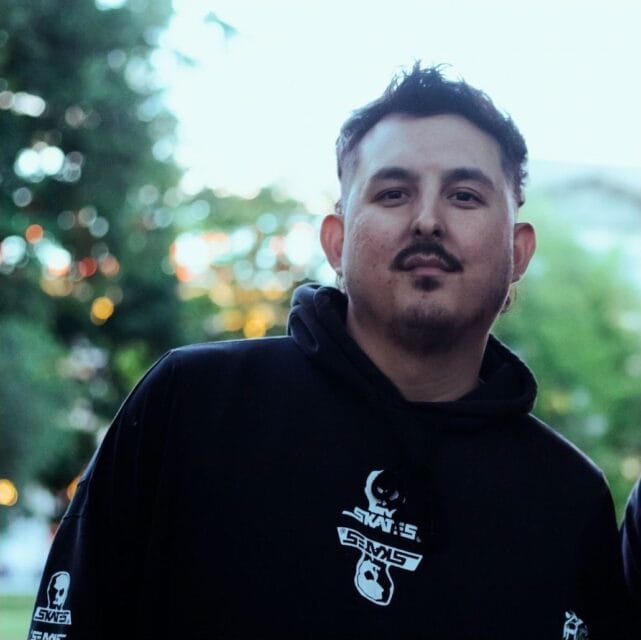
Seventeen pays tribute to the community he cherishes and also the women who raised him and introduced him to cinema.
“So much of my early cinematic exposure came from watching movies with my mom,” he says.
“I think about movies like Fried Green Tomatoes or Anywhere But Here or Where the Heart Is. I looked to those because I’m telling a story about female friendship and specifically female friendship from an Indigenous lens. There's a sense of warmth that exists between the women in those films. I wanted to call back to those memories and what that meant to me growing up, primarily being raised by Indigenous women.”
However, there is also a grittiness to the movie.
“I mixed in this stark, almost documentary-like approach to making the film,” he says. “A lot of my points of visual inspiration came from documentaries that were filmed in Vancouver about, and with, the sex work community, like Hookers on Davie.
“And there's another, smaller, documentary called Inside Boystown, which was a pretty big focus as well. I was interested in how the city was shot and how the community was engaging with the city. I did try to meld the two. The jury's still out on how that works.”
Filming with community members in Vancouver
Vancouver itself plays an integral role in the film and Ducharme was careful not to make life difficult for those who lived where he filmed.
“Having lived in Vancouver and in the downtown east side for part of my time in Vancouver, I know how film sets come in and take over spaces. I really wanted to keep it contained and intimate. You're running through the streets with an entire film crew, so it’s important to be mindful of the neighbourhoods that you're taking up space in.”
Ducharme hosted a consultation process with a community of sex workers when he started writing the script.
“That really helped shape the finished product,” he says. “I tend to cast people from the community and real-life folks in my work. There's a lot of people in Seventeen that are sort of playing versions of themselves, who have been community members of mine for the last 12 years of me living in Vancouver.”
It’s hard not to be struck by Ducharme’s reverence for making films. He has spoken in the past about the shame he felt coming out as a sex worker, but how writing and creating art about his experiences helped lessen the stigma and humanize the way in which those working in the industry are portrayed in the media.
“Sex workers are always being creative and telling stories,” he says. “One of the biggest things that came out of the community consultations that I did was that there was a desire to see aspects of a ‘day in the life’ of Indigenous sex workers that leaned into the tender and leaned into the hopefulness. That was something I felt the story deserved.”
Another challenge for Ducharme was transitioning from making short films and a web series to directing a full-length feature film.
“The sheer scale of this was truly unlike anything I had ever done before,” he says. “I'm incredibly grateful to my team, specifically my production manager, my first assistant director and my producers. They were so instrumental in mentoring me through that jump. I sometimes reflect on how I used to make work compared to the scale of this feature, and there are times where I worried that I was getting swallowed whole by it all.
“But I think the type of story I'm telling, and where I come from as a person and my lived experience, to have an opportunity like this wasn't lost on me. I learned so much and I've said this to a couple people already, but I like to think that I didn't completely fumble it.”