The Fantastic Four
The four women overseeing the Canada Media Fund, Telefilm Canada, the Indigenous Screen Office, and the National Film Board gathered to discuss the state of the nation’s media industry at Prime Time in Ottawa. Now & Next was there to capture their insights.
Call it the great Canadian media panel.
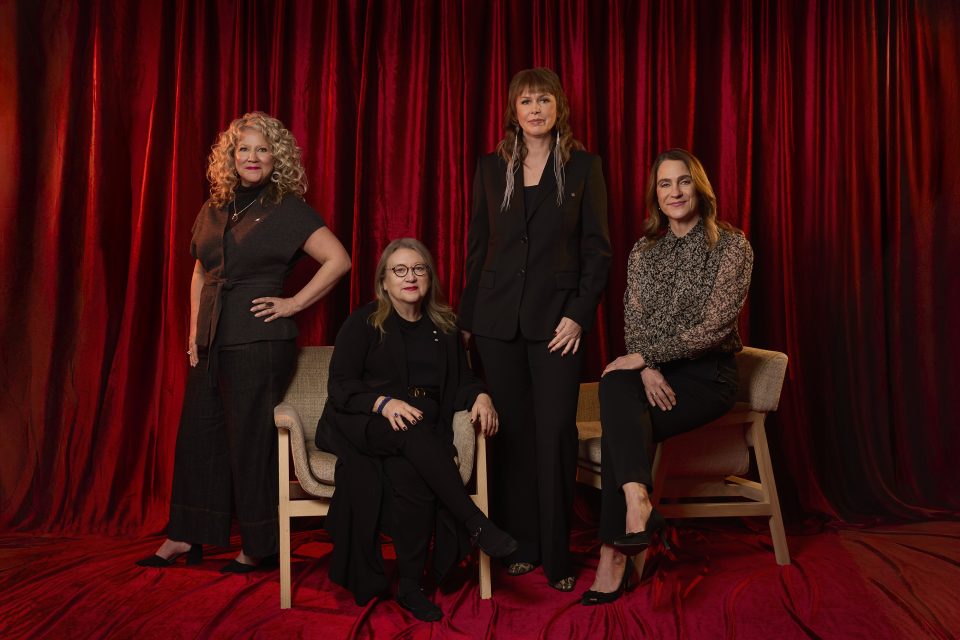
The four women who lead Canada’s national audiovisual organizations shared the stage at Prime Time 2026, a conference for the screen industry held in Ottawa every year.
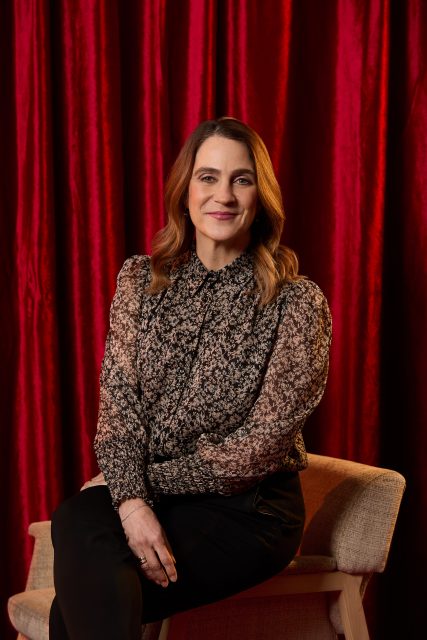
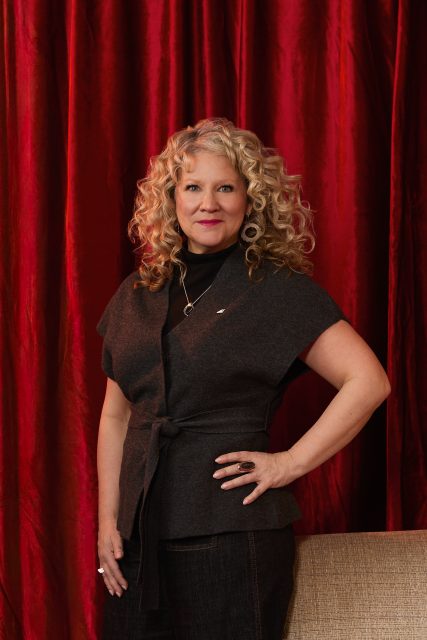
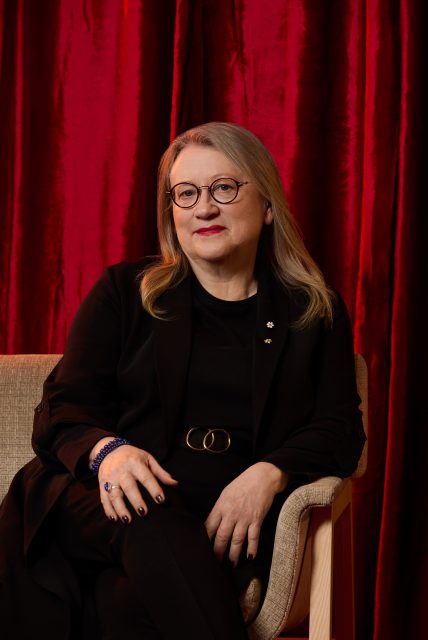
The women — Canada Media Fund (CMF) president and CEO Valerie Creighton, Telefilm Canada executive director and CEO Julie Roy, Indigenous Screen Office (ISO) CEO Kerry Swanson, and National Film Board commissioner and chairperson Suzanne Guèvremont — gathered for a session titled “Canada’s Future: Building a Creative Nation.”
While the conference’s spotlight was dominated by men — including Prime Minister Mark Carney, and Heated Rivalry’s executive producers Jacob Tierney and Brendan Brady and star Hudson Williams — it is these four women who oversee Canada’s media industry.
It’s hard to overstate the impact they made in front of both Canadian and international creators as they discussed the state of Canada’s media industry, cultural sovereignty, and the future of the sector in this country.
“The most important thing the country has done is it’s opened the way for creators,” Creighton told the audience. “Regardless of the structure, regardless of the organizations, this country has allowed creativity to flourish. We have an abundance of creative and innovative talent. We're really blessed as a country.”
Defending Our Cultural Sovereignty
Supporting creators remains each organization’s focus, but suddenly a more urgent concern has emerged: cultural sovereignty. Creating meaningful films, TV and digital stories that represent the Canadian experience is crucial.
“The NFB is about telling authentic Canadian stories,” emphasized Guèvremont. “This is the strength of having creative documentarians and giving them the ability to tell their stories, which is important for our cultural sovereignty.
“And there’s education,” she continued. “That's another aspect of developing our cultural sovereignty and developing our ability to consume Canadian content from a very young age. For the NFB to be in schools across the country and have access to more than 400,000 teachers is important. We’re there with the kids in the classroom, and we participate in making sure that we develop that appetite for our amazing Canadian content.”
Roy spoke about how, over the years, Telefilm has built Canada’s brand internationally.
“That's very powerful and very strong,” she said. “We have treaties of co-production with 60 countries. That tells you Canada is appealing and people want to work with us.”
For the ISO, cultural sovereignty is seen through a very specific lens.
“The ISO was founded eight years ago with a mandate to foster narrative sovereignty for First Nations, Métis and Inuit storytellers in Canada,” explained Swanson. “And so that mandate is central to our mission. But what does it mean?
“Ultimately, it means the freedom to tell stories in the way that you want to tell them, to control those stories and not have anyone take them away from you, which we have a history of here in this country. But on a practical level, for us it means majority ownership of IP by Indigenous storytellers, with two of the three key creative roles on a project being occupied by an Indigenous person.
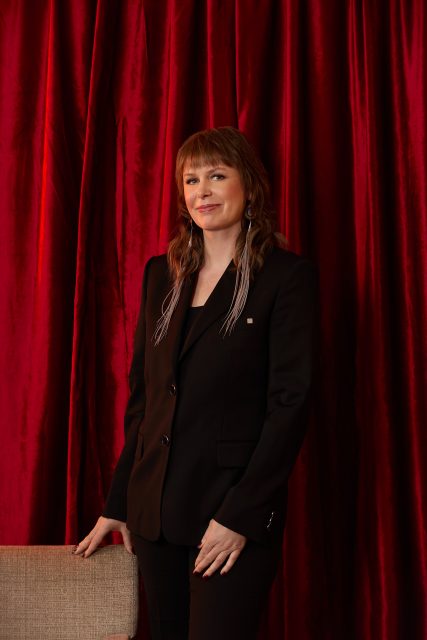
“And with Canada now going through this sort of crisis of contemplating what it means to be sovereign and feeling threatened, I think for the first time Canadians understand what we've been talking about this whole time,” continued Swanson. “And now you understand that you would also fight for 200 years to maintain your stories and to maintain your freedom and your sovereignty.”
Connecting With Audiences
Developing and bringing Canadian stories to screens won’t matter if those stories don’t resonate with audiences.
“I feel that if we don't invite audiences into the conversation, we will miss an opportunity here,” said Roy. “The environment has changed a lot and we can see that global platforms are shaping visibility, algorithms are shaping the discoverability, and even now AI is influencing the way we access content. So, what do we do with the audience? We need to build a national audience strategy.”
“The work we did together for MADE | NOUS across the country was about the audience,” Creighton offered in reference to the CMF’s years-long campaign to promote Canadian productions. “It was about our industry and our successes, but it really was about connecting with the public, and it's working pretty good, so far.
“If the creativity works, if the stories are strong, if the creators and producers are allowed to tell these stories, that's what will bring the audience in.”
Preparing for the Future Together
All four organizations are dealing with new technologies and services that don’t mesh with out-of-date structures and policies. Joining forces to ensure Canada’s media sector supports creators now and into the future is imperative.
“We cannot work alone anymore,” noted Roy. “We need to work in partnership, and I think that's the way we're going to build the future.”
“If we can help each other think together about what we can contribute to the future, it would be a very different approach,” said Creighton. "The first thing we have to do is learn how do we get more flexibility, how do we get rid of the barriers and the constraints? They were created a long time ago. Not the world we're living in today. And we see this in the interactive digital media, we see it in spaces like VR, we see it in spaces like gaming, we see it in spaces like location-based entertainment.
“It's just so exciting what's happening in this country,” Creighton added. “And I, for one, will do everything in my mental power to not hold on to the past and to look at how can we leverage that and make that leap? And it's not going to be easy, but it'll be fun.”